Global Boiler Services
Ship boiler explained: Purpose, function and importance for safe vessel operation
A ship boiler is one of the most important systems on board modern vessels, providing the steam and heat required to keep essential operations running safely and efficiently. Whether used for propulsion, cargo heating, fuel conditioning, or providing hot water for showers and accommodation heating, the boiler in a ship plays a central role in both daily operation and long-term performance.
In this article, we explain what a ship boiler is, how it works, and why correct maintenance is essential for vessel reliability.
What is a ship boiler?
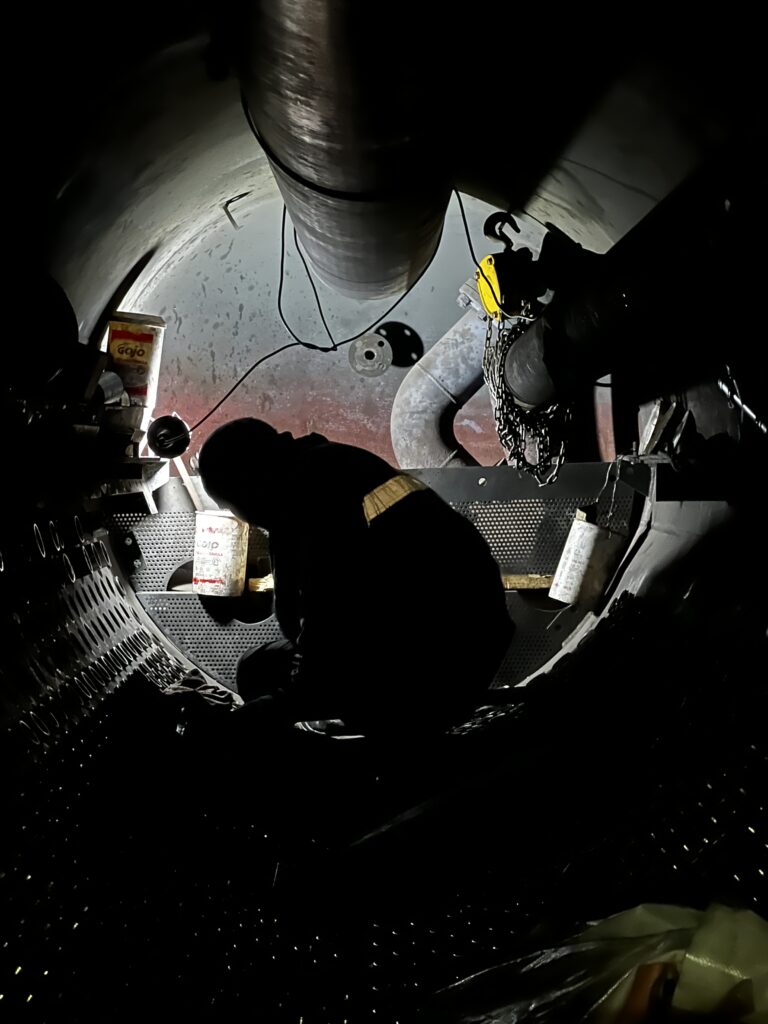
A ship boiler is a closed pressure vessel designed to generate steam by heating water under controlled pressure. The heat source typically comes from an oil/gas-fired furnace or from waste heat recovery through engine or gas turbine exhaust gas.
In simple terms, the boiler converts thermal energy into steam, which is then used for mechanical power and heat transfer across the vessel.
Purpose of a boiler in a ship
The purpose of a boiler in a ship depends on vessel type and operational profile. Common purposes include:
1. Steam for essential ship systems
Most commercial vessels use the boiler primarily as an auxiliary unit, supplying steam for:
• Heating heavy fuel oil to maintain correct viscosity
• Cargo heating for crude, chemicals or other viscous liquids
• Tank cleaning using high-temperature wash water
• Accommodation heating and HVAC
• Freshwater production through evaporators
• Driving auxiliary steam consumers such as compressors, pumps and ejectors
2. Propulsion on steam-powered ships
On certain vessel types, such as older LNG carriers and naval ships, the main purpose of the boiler is to generate high-pressure, superheated steam for driving steam turbines.
3. Supporting safe operations
Steam is also used to maintain safe temperatures in systems handling low flashpoint fuels such as ammonia or LNG, where boilers may function as part of a safety or gas-combustion unit.
Function of a boiler in a ship
The core function of a ship boiler is to generate either saturated steam or superheated steam, depending on the operational requirement.
How the boiler works
The process involves:
• Feeding treated water into the steam drum
• Burning fuel in the furnace to create high radiant heat
• Transferring heat through generating tubes
• Separating steam and water in the steam drum
• Sending steam onward to consumers around the ship
Advanced systems include:
• Economisers, which preheat feedwater using waste heat
• Superheaters, which raise steam temperature above saturation
• Attemperators, which regulate superheated steam temperature
These components increase thermal efficiency while reducing fuel consumption.
Types of ship boilers
Marine boilers fall into four main categories:
- Auxiliary boilers: Oil-fired units used for heating duties and general steam production.
- Exhaust Gas Boilers (EGB): Recover heat from main engine exhaust gas for fuel-free steam generation.
- Composite boilers: Combine oil-firing and exhaust gas sections in one unit for maximum flexibility.
- Main propulsion boilers: High-pressure water-tube boilers supplying steam for steam turbine propulsion
Why proper boiler maintenance matters
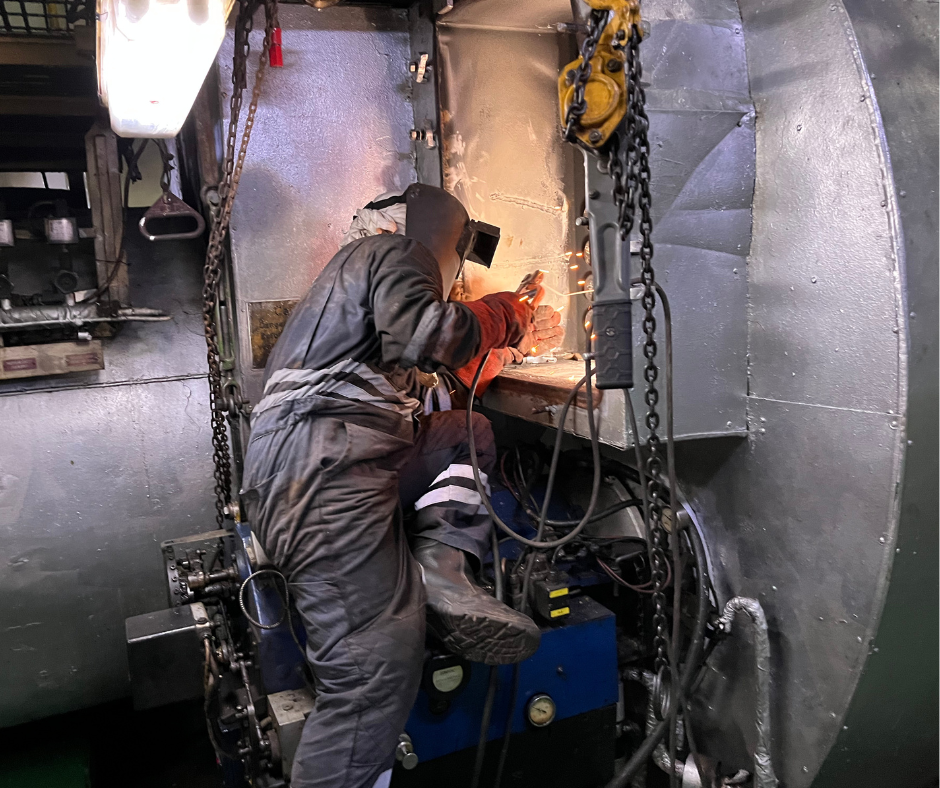
Boilers operate under severe pressure and temperature, meaning even minor faults can escalate quickly. Common issues include:
• Soot deposits reduce heat transfer
• Tube corrosion, pitting or cracking
• Scale formation leading to overheating
• Burner misfiring
• Low water level conditions
• Oil contamination from cargo-tank coil leaks
• Tube leaks or economiser failures
A well-maintained boiler reduces fuel consumption, improves safety and ensures compliance with Class requirements. Regular inspections, water treatment, burner tuning and soot removal are essential for preventing unplanned downtime.
Modern trends in ship boiler technology
Regulatory pressure and the shift toward greener fuels create new demands on boiler systems:
• Automation improves combustion efficiency and safety
• Waste heat recovery contributes to EEXI/CII improvements
• Alternative fuels (methanol, LNG, ammonia) require burner upgrades
• Predictive monitoring reduces unplanned shutdowns and repair time
At Global Boiler Services, we support operators in adapting their boiler systems for today’s regulatory and operational challenges.
Keep your ship boiler operating safely and efficiently
A ship boiler is far more than a heating unit — it is a critical system that supports safe vessel operation, fuel efficiency and compliance. Whether your boiler requires inspection, repair or full refurbishment, our global teams are ready to assist.
Contact Global Boiler Services for Class-certified boiler service and repair — we know your boiler.
+45 29 100 300